


Types of Fire Safety Training Programs Explained
Fire incidents can escalate within seconds. The difference between controlled response and major loss often comes down to preparation. That is why structured fire safety training programs are not just regulatory obligations, they are operational necessities.
Across industries, organizations must ensure their teams understand prevention, emergency response, evacuation procedures, and practical firefighting techniques. At EFRC, Fire & Safety Training is divided into two core categories: Civilian Fire Safety Training and Customized Fire Safety Training, each designed to address different risk levels and regulatory requirements.
Below is a complete breakdown of the main types of fire safety courses and how EFRC delivers them.
1. Civilian Training: Building a Safer Workforce
Civilian Training focuses on mandatory workplace requirements and foundational emergency preparedness. The program is delivered under UAE Civil Defence authority, ensuring full compliance with Ministerial and Cabinet Resolutions related to business license renewal.
This category of fire safety training is ideal for:
- Corporate offices
- Retail and hospitality facilities
- Warehouses
- Schools and commercial buildings
- General workforce compliance
What the Civilian Fire Safety Course cover
EFRC’s Civilian Training blends theory with hands-on simulation, including:
- Following emergency procedures
- Identifying fire causes and fire classes
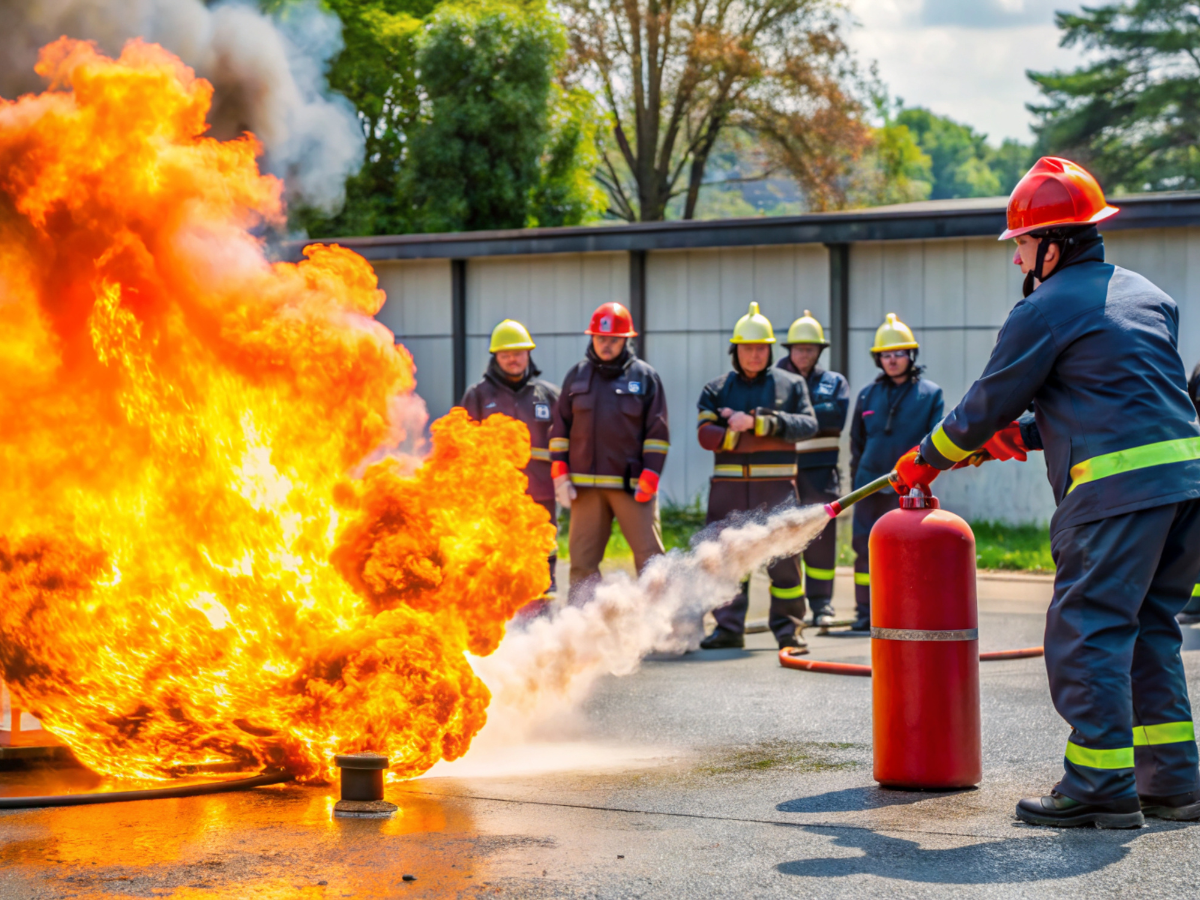
- Correct use of extinguishers using the P.A.S.S. method
- Understanding extinguisher limitations
- Responding to alarm and emergency signals
- Safe evacuation using the R.A.C.E. method
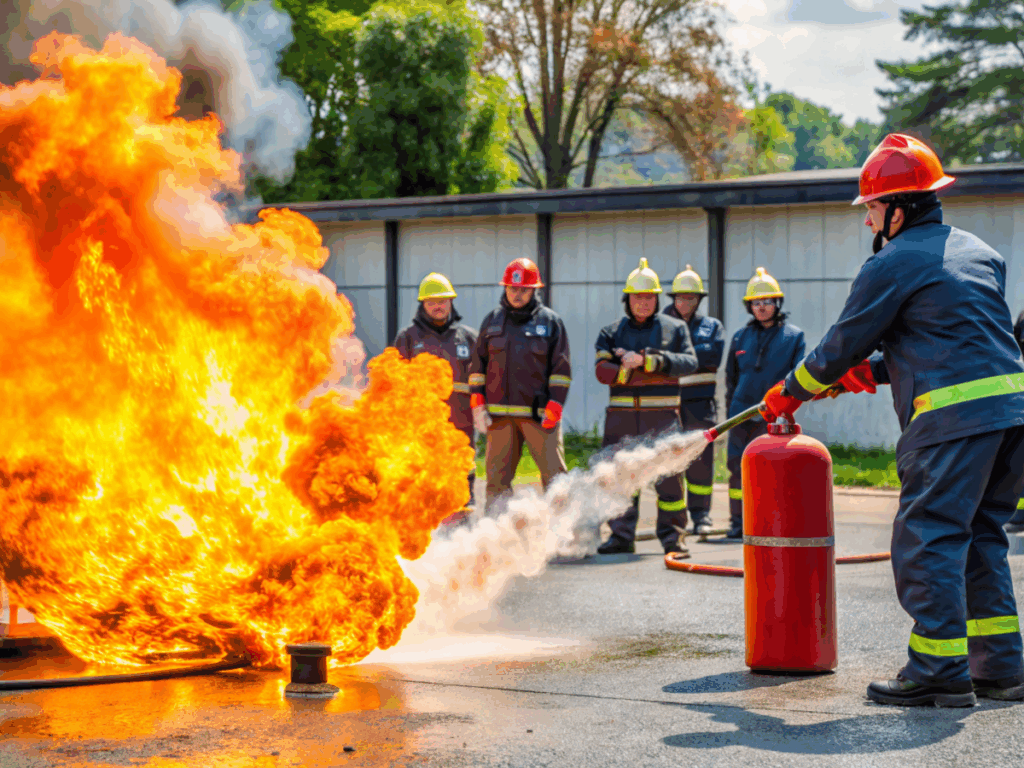
The training uses interactive classrooms, advanced laser simulators, and live-fire demonstrations to build confidence and readiness. Civilian Fire Fighting Training Program focuses on the Basic Fire Fighting Training.
2. Customized Training: Tailored to Match Your Risks
Every facility has unique hazards. A hospital faces different risks than a refinery. A logistics warehouse differs from a manufacturing plant. That is where EFRC’s Customized Training programs come in.
Customized fire safety training begins with a detailed risk and competency-gap analysis. From there, EFRC designs a tailored syllabus aligned with NFPA, IFE, and Highfield standards.
Customized Programs May Include:
- Site-specific emergency scenarios
- Industry-focused hazard control
- Multilingual instruction
- Shift-friendly scheduling
- Minimal operational disruption
This approach ensures that firefighting training is directly relevant to the organization’s operational environment.
Customized programs are particularly suitable for:
- Oil & Gas
- Aviation
- Maritime
- Construction
- Healthcare facilities
- Industrial plants
Customized Fire Fighting Training Programs Include:
- Basic Fire Fighting
- Advanced Fire Fighting Level 1
- Advanced Fire Fighting Level 2
- Fire Warden
- Fire Marshal
- Emergency Response Team (ERT)
- Basic Fire Safety Awareness
In addition, specialized course modules such as Dangerous Goods and Transport of Dangerous Goods are available for logistics and industrial environments.
By enrolling staff in approved fire safety courses, employers meet statutory requirements while strengthening internal emergency response capabilities.
3. Specialized Fire Fighting Training
Not all workplaces carry the same risk. High-rise buildings, industrial facilities, oil and gas sites, and high-occupancy structures require more advanced firefighting training.
EFRC delivers specialized programs that includes but isn’t limited to:
- High Rise Building Firefighting
- Industrial Fire Fighting
- Foam Firefighting Training
- HAZMAT Awareness & Operation Training
- Incident Commander Training
- Fire Prevention Inspector I1031
- Fire Service Instructor I1041
These programs focus on operational strategy, hazard identification, command structure, and real-world fire suppression techniques.
Participants receive hands-on exposure to live-fire environments and advanced equipment, ensuring practical capability rather than theoretical understanding alone.
4. Health & Safety and First Aid Integration
Fire emergencies rarely occur in isolation. Injury management and workplace safety are equally critical.
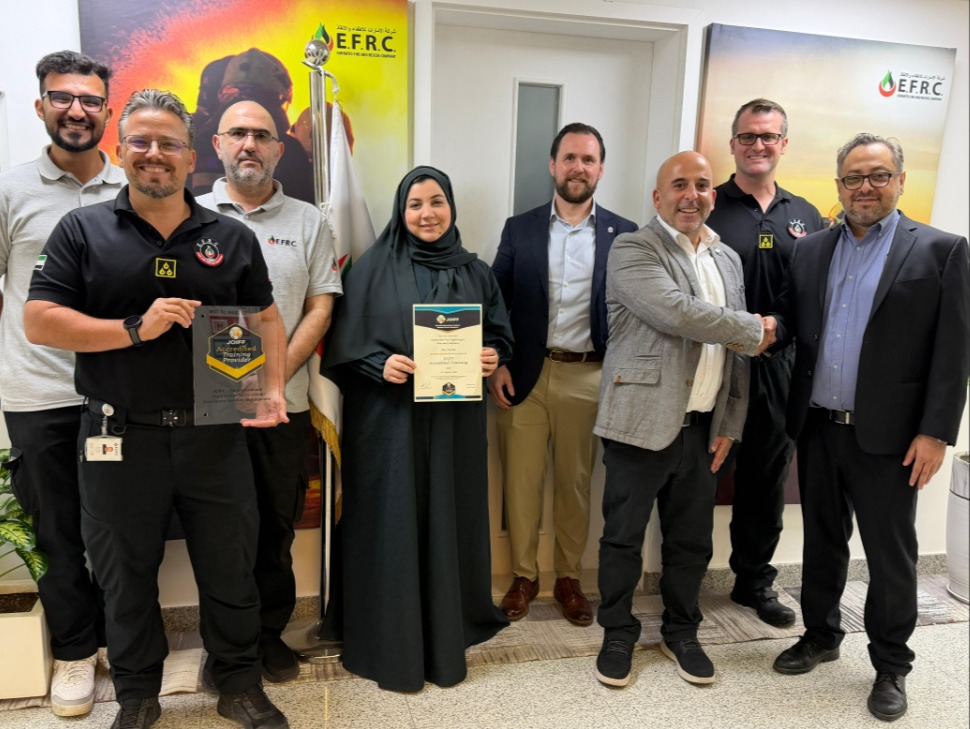
EFRC complements its fire safety courses with certified Health & Safety and First Aid programs through local and internationally approved and accredited bodies such as ACTVET, DCAS, Highfield (HABC), JOIFF, etc. and the courses delivered include:
- Hospital Incident Command System
- Basic Health & Safety Awareness
- Workplace Safety
- Highfield Level 1 International Award in Working in Confined Spaces
- Highfield Level 1 and Level 2 International Awards in Work at Height
- Highfield Level 3 International Award in Health and Safety for Construction Supervisors
- Highfield Level 2 International Award in Basic Life Support & Use of an AED
- Highfield Level 3 International Award in Emergency First Aid at Work & Use of an AED
- Highfield Level 3 International Award in Emergency Pediatric First Aid and Use of an AED
By integrating fire safety with health and Safety and first aid trainings, organizations create a complete emergency preparedness framework.
Why Fire Safety Training Matters
Under UAE regulations, approved Basic Firefighting & Safety Training is a requirement for business license renewals. Non-compliance can result in penalties, delays, or operational disruption.
Beyond compliance, structured fire safety training provides tangible benefits:
- Reduced workplace risk
- Faster emergency response
- Lower business downtime
- Improved safety culture
- Increased employee confidence
- Demonstrated due diligence to regulators and insurers
Fire preparedness is not just about extinguishing flames. It is about protecting lives, safeguarding assets, and maintaining business continuity.
Choosing the Right Fire Safety Courses
When selecting a training provider, organizations should evaluate:
- Regulatory approval
- Instructor qualifications
- Practical simulation capabilities
- Industry-specific experience
- Certification standards
EFRC’s Fire & Safety Training programs are delivered under Civil Defence authority and aligned with international frameworks. Whether through Civilian Training for workforce compliance or Customized Training for high-risk operations, EFRC provides structured solutions for every sector.
Final Thoughts
Fire risks evolve with infrastructure, technology, and operational complexity. Continuous training and refreshers are essential to maintaining readiness.
From foundational fire safety training programs to advanced firefighting training, the right course equips teams with the skills, discipline, and confidence to act decisively when it matters most.
Organizations that invest in certified fire safety courses do more than comply with regulations, they build resilient, prepared workplaces capable of responding effectively to any emergency.
|
Title Tag: Types of Fire Safety Training Programs in UAE Explained | Emirates Fire & Rescue |