


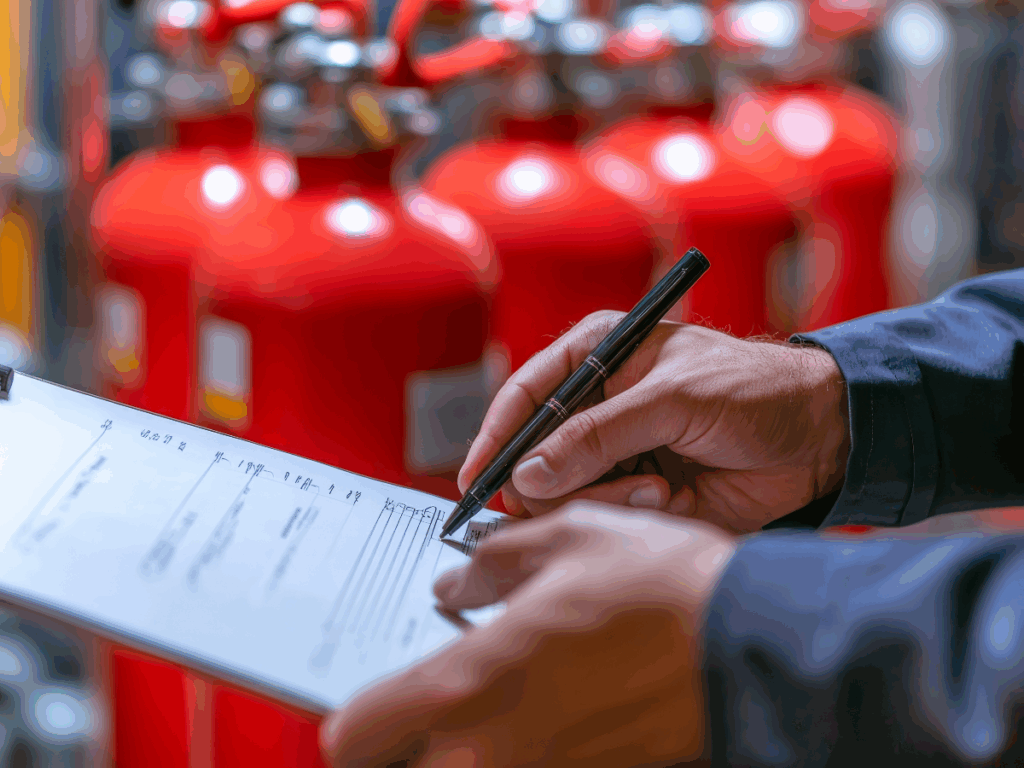
UAE building fire safety requirements cover early fire detection, suitable firefighting systems, safe escape routes, fire-resistant construction and ongoing inspection and maintenance. The exact provisions depend on the building’s use, height, occupancy and hazards, together with the approved fire strategy and requirements of the relevant Civil Defence authority.
In this guide, we break down the fire safety requirements in the UAE, the regulations that govern them, and what building owners, developers, and facility managers must comply with.
Understanding Fire Safety Requirements in the UAE
The fire safety requirements of the UAE are governed by national and local authorities to ensure a unified standard across all emirates. These requirements apply to:
- Residential buildings
- Commercial, office buildings
- Assembly buildings, hotels, malls, and public venues
- Industrial facilities,Warehouses and logistics centers
- Healthcare, Hospitals and clinics
Compliance is mandatory at every stage of a building’s lifecycle, from design and construction to operation and maintenance.
At the core of these standards are the UAE fire safety regulations, issued and enforced by UAE Civil Defence.
Key UAE Fire Safety Regulations for Buildings
All buildings in the UAE must comply with the UAE Fire and Life Safety Code of Practice, which outlines minimum safety standards, approved materials, and required fire protection systems.
The regulations cover several critical areas:
1. Fire Detection and Alarm Systems
The approved fire detection and alarm design determines which devices are required for a particular building. These may include:
- Smoke detectors
- Heat detectors
- Manual call points
- Audible and visual alarm devices
These systems must be installed according to approved layouts and tested regularly to ensure functionality.
2. Fire Suppression Systems
Depending on the building type and occupancy, building fire safety UAE requirements may include:
- Automatic sprinkler systems
- Fire hose reels
- Fire extinguishers suitable for specific fire classes
- Clean agent or gas suppression systems for sensitive areas
The type, coverage, and capacity of suppression systems must match the building’s risk profile.
3. Emergency & Exit Lights
Reliable illumination is mandatory to guide occupants during power failures or smoke-logging. UAE regulations require:
- Illuminated Exit Signs: Clearly visible, internally lit signs with the green “running man” pictogram at all exit points.
- Emergency Luminaires: Strategically placed lighting along escape routes, stairwells, and intersections to provide minimum required floor-level lux.
- Backup Power: Emergency lighting must have a suitable backup supply, with the duration and performance determined by the applicable code and approved design.
- Automatic Operation: Emergency lighting must operate when the normal lighting supply fails, in accordance with the approved system design.
Regular testing and certification of these units are essential to meet Civil Defence safety mandates.
4. Smoke Control and Ventilation Systems
Where required by the approved fire strategy, smoke management systems help limit smoke spread and support evacuation and firefighting. The design may include:
- Smoke exhaust fans for corridors and basements
- Pressurized stairwells
- Mechanical ventilation systems
Proper smoke control significantly improves evacuation safety and firefighting access.
5. Means of Escape and Evacuation
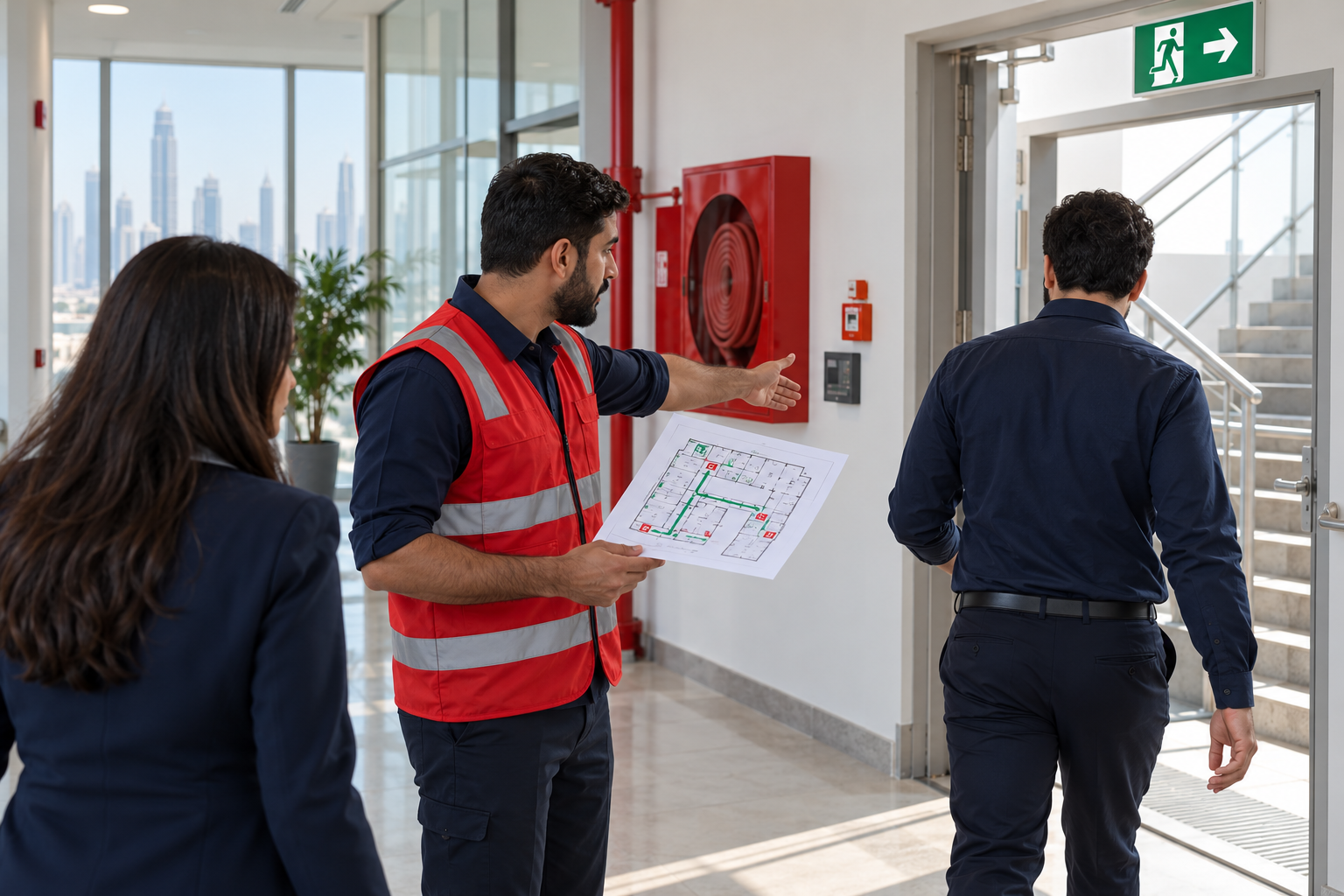
Safe evacuation is a cornerstone of UAE fire safety regulations. Buildings must provide:
- Clearly marked emergency exits
- Fire-rated staircases and corridors
- Emergency lighting and exit signage
- Unobstructed escape routes
Exit design must consider occupant load, building height, and usage type.
6. Fire-Rated Construction Materials
To limit the spread of fire, buildings must use approved fire-rated materials for:
- Walls and partitions
- Doors and glazing
- Structural elements
- Cable trays and insulation
All materials must meet UAE Civil Defence certification standards.
Fire Safety Requirements During Design and Construction
Fire safety compliance starts long before a building becomes operational.
Design Stage Approval
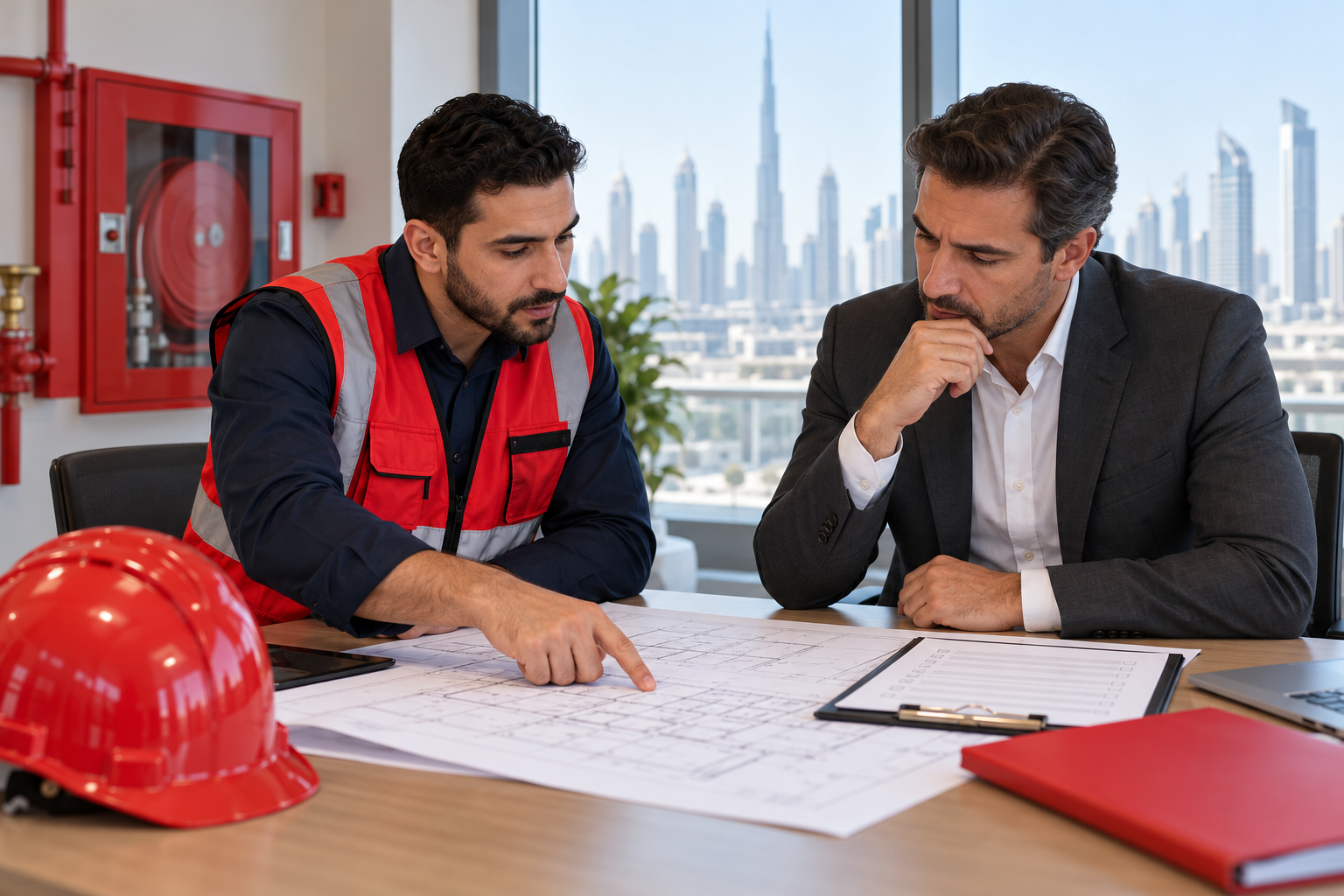
Architectural, fire strategy, fire protection drawings for all systems must be submitted to UAE Civil Defence for review and approval. Any changes affecting fire safety systems require resubmission.
Installation and Site Inspections
During construction, fire safety systems must be installed by approved contractors and inspected to verify compliance with approved drawings and specifications.
Failure to meet fire safety requirements UAE can lead to delays, fines, or rejection of completion certificates.
Fire Safety Requirements for Operational Buildings
Compliance does not end once a building is occupied. Ongoing obligations include:
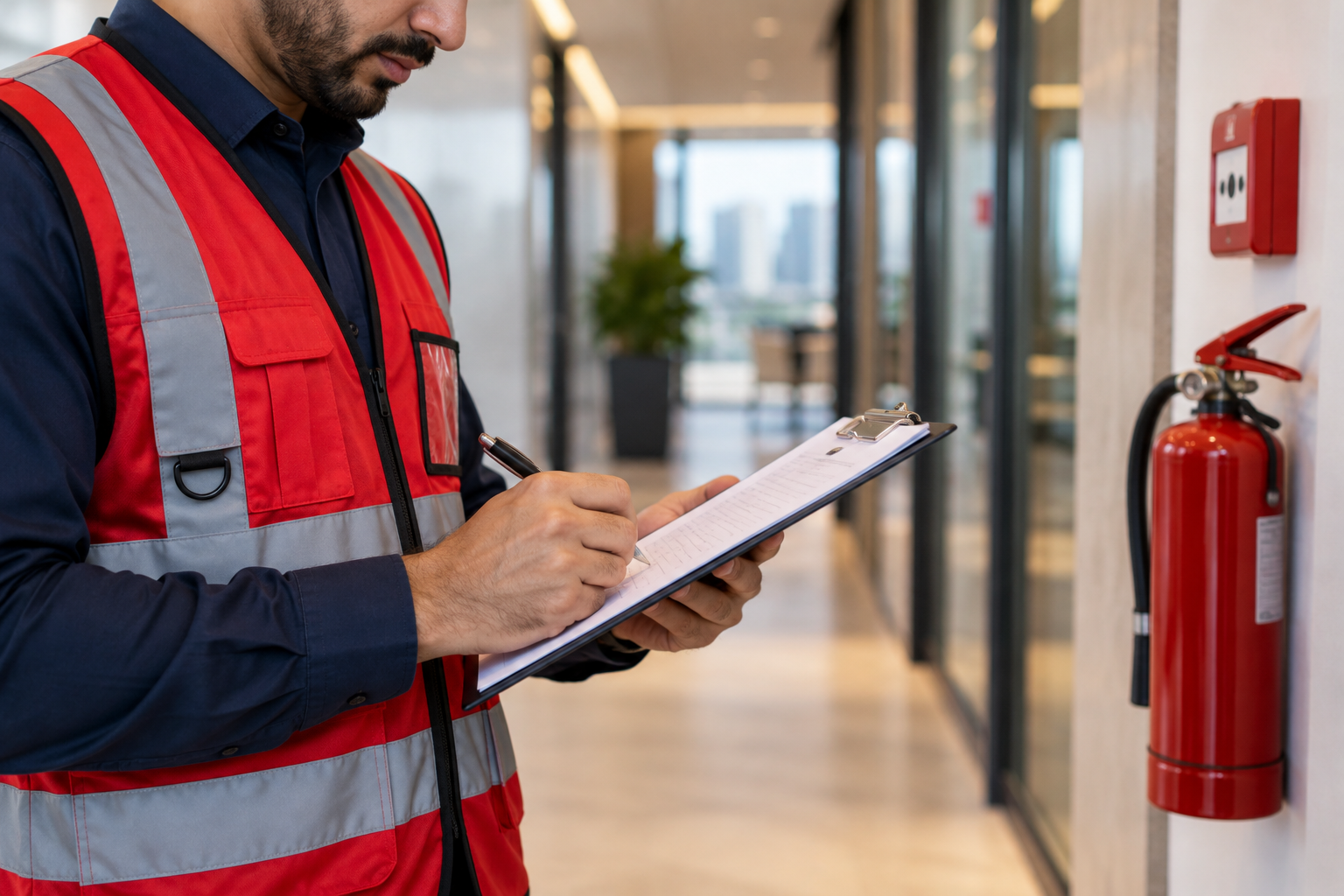
- Routine inspection and testing of fire systems
- Preventive maintenance by certified providers
- Fire risk assessments
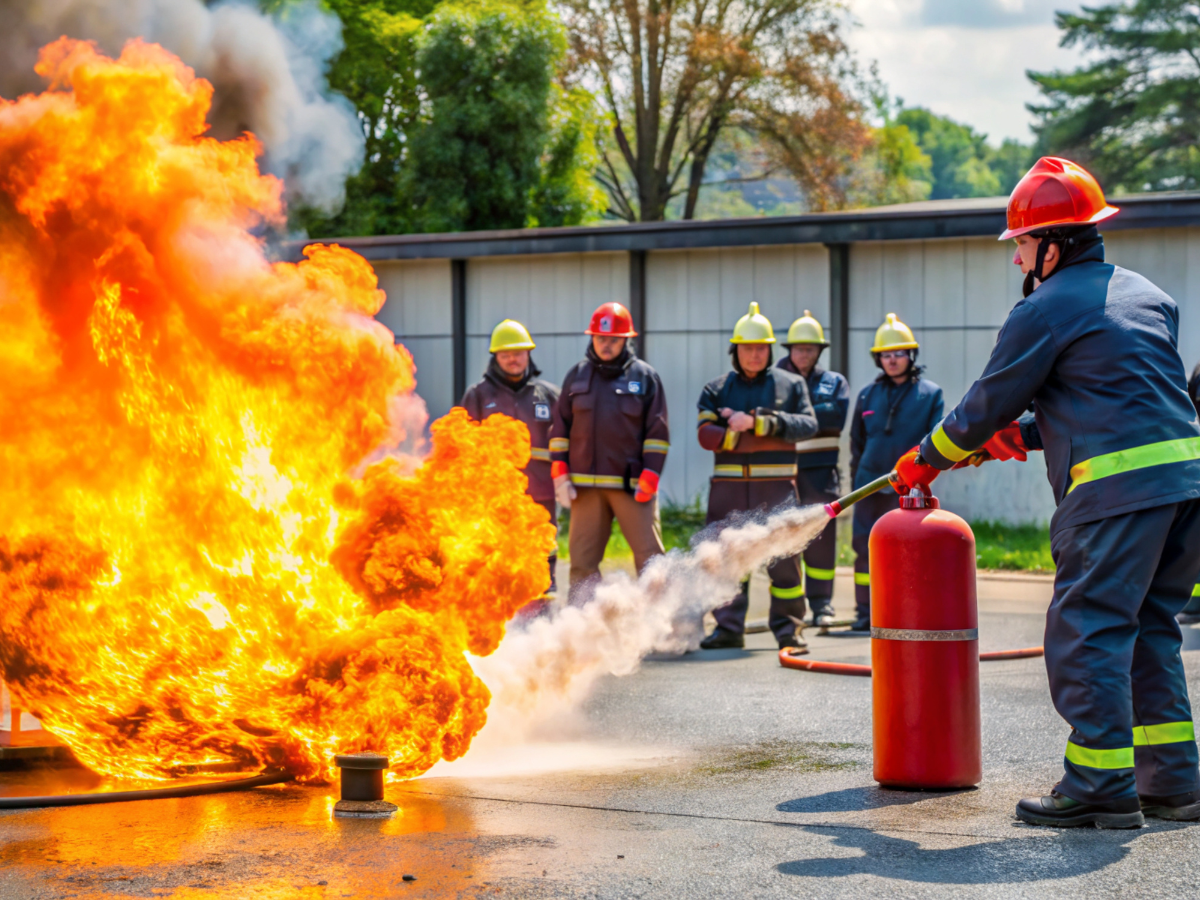
- Emergency evacuation drills
- Staff fire safety training
Buildings must maintain valid Civil Defence certificates, which are subject to renewal and inspection.
Consequences of Non-Compliance
Non-compliance with UAE fire safety regulations can result in:
- Fines and legal penalties
- Business closure or suspension
- Increased insurance liabilities
- Risk to occupants and property
More importantly, inadequate fire safety can lead to severe human and financial loss.
How Emirates Fire & Rescue (EFRC) Supports Fire Safety Compliance in the UAE
Ensuring full compliance with UAE fire safety requirements often requires working with a qualified and experienced fire safety consultant. Emirates Fire & Rescue (EFRC) is a UAE Civil Defence–approved provider offering end-to-end fire safety engineering, inspection, and consultancy services across the UAE.
With deep expertise in building fire safety UAE regulations, EFRC supports developers, consultants, facility managers, and building owners at every stage — from design approval to operational compliance.
EFRC Fire Safety & Engineering Consultancy Services
As part of its House of Expertise Engineering Consultancy, EFRC provides specialized services aligned with UAE Fire and Life Safety Code of Practice, including:
- Façade (Cladding) Approval and Inspection in the UAE
External façades are a critical fire risk area, especially for high-rise buildings. EFRC conducts façade material reviews, testing coordination, and on-site inspections to ensure full Civil Defence compliance. - Fire Engineering & Strategy Design
EFRC assists developers and architects from the concept stage. We develop comprehensive Fire Life Safety (FLS) Strategies, including occupant load calculations, egress analysis, and fire protection system design to secure initial Civil Defence design approvals. - Buildings Fire Inspections in the UAE
Regular fire inspections are essential for maintaining valid Civil Defence certificates and ensuring operational safety. EFRC performs comprehensive fire inspections covering fire detection, suppression systems, means of escape, and compliance documentation.
- Fire Risk Assessments (FRA) in the UAE
Fire Risk Assessments identify potential hazards, evaluate existing fire protection measures, and recommend corrective actions in line with UAE regulations. EFRC delivers detailed FRA reports tailored to the building’s occupancy, usage, and risk profile.
Supporting Compliance Across the Entire Building Lifecycle
Whether during design approval, construction, or operational phases, Emirates Fire & Rescue (EFRC) works closely with stakeholders to reduce approval delays, avoid non-compliance penalties, and enhance overall fire safety performance.
By combining engineering consultancy, on-site inspections, and regulatory expertise, EFRC helps ensure that buildings not only meet UAE fire safety requirements—but maintain compliance long after handover.
Why Professional Fire Safety Expertise Matters
Navigating building fire safety UAE requirements requires technical knowledge, regulatory understanding, and hands-on experience. From system design and engineering consultancy to installation, testing, and maintenance, working with a qualified fire safety partner ensures:
- Full regulatory compliance
- Reduced approval delays
- Long-term operational safety
- Peace of mind for owners and operators
Planning Your Next Fire Safety Review
Fire safety is not optional in the UAE. Strict regulations exist to protect people, property, and communities. Understanding and implementing the correct fire safety requirements UAE is essential for every building, regardless of size or function.
Whether you are planning a new development or managing an existing facility, staying aligned with UAE fire safety regulations is a responsibility that cannot be overlooked.
To discuss your building’s location, use and project stage, contact EFRC about your fire safety requirements.
UAE Civil Defence Codes and Local Approval Requirements
The UAE Government building safety guidance identifies the UAE Fire and Life Safety Code of Practice alongside local building regulations. Owners and project teams should confirm the applicable code, amendments and submission requirements with the Civil Defence authority and municipality responsible for the building’s location.
A generic checklist does not determine the number of exits, fire-resistance ratings, sprinkler coverage or inspection intervals for every property. These must be established through the applicable provisions and approved project documents. Changes to occupancy, layout or building use should be reviewed for their effect on the existing fire strategy.
The UAE Government fire safety guidance also explains residential fire-detection obligations and the Hassantuk monitoring programme. Confirm the relevant monitoring and connection requirements for your property with the responsible authority.
Common Compliance Gaps for Building Owners
- Escape routes used for storage or exits obstructed by furniture.
- Fire doors damaged, altered or held open.
- System faults left unresolved or maintenance records unavailable.
- Fit-out changes not checked against approved fire safety drawings.
- Staff unclear about evacuation roles and reporting procedures.
A fire risk assessment helps identify hazards and prioritise corrective actions. Building fire inspections can help review installed measures and supporting records. Neither replaces the approvals required from the relevant authority.
Questions About Fire Safety Requirements in UAE Buildings
Do residential and commercial buildings have the same requirements?
No. Occupancy, building height, layout and hazards influence the required protection. An office, apartment building and warehouse can need different detection, suppression and escape arrangements. Use the approved fire strategy for the individual property.
Does every building need the same fire suppression system?
No. The applicable code and approved design determine the type and extent of protection. A qualified consultant should assess the building rather than selecting equipment from a general checklist.
What records should a facility manager have ready for review?
Keep the approved drawings and fire strategy, relevant authority approvals, inspection and maintenance records, outstanding fault reports and evacuation procedures available. Confirm any additional documents required for the specific inspection or renewal.
Does an approval remove the need for ongoing maintenance?
No. Fire protection measures need to remain serviceable throughout the building’s operation. Keep escape routes clear, resolve faults and arrange testing and maintenance in line with the applicable requirements.
Where should owners start if they are unsure about compliance?
Gather the current approvals, drawings and maintenance records, then arrange a review with a qualified fire safety consultant. EFRC’s House of Expertise Engineering Consultancy can help identify the appropriate assessment and next steps.