





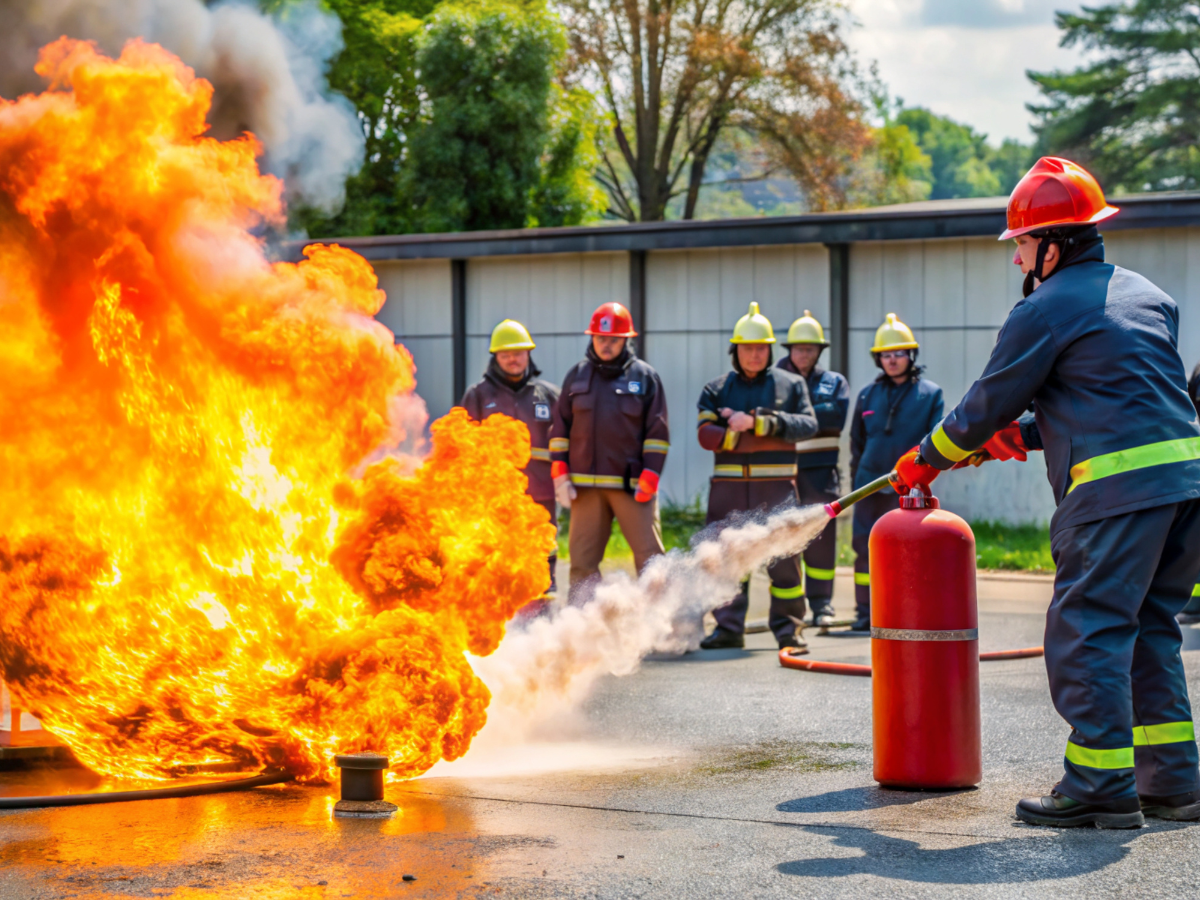

An emergency action plan and the site’s evacuation arrangements help a workplace coordinate its response and communicate clear responsibilities. For UAE offices, warehouses and other facilities, these documents need to reflect the same current information.
Understanding how the documents work together makes it easier to prepare a review brief, identify inconsistencies and keep staff instructions aligned with the arrangements developed for the site.
Emergency Action Plan and Evacuation Planning Checklist
1. What an emergency action plan should clarify
Emergency planning should identify the scenarios being addressed, who is responsible for decisions and how instructions are communicated. It should also explain reporting arrangements, relevant contacts and how the organisation coordinates with external responders.
2. Make evacuation arrangements specific to the site
Evacuation information should reflect the current layout, designated routes, responsibilities and accountability arrangements. Visitors, contractors and people who may need assistance should be considered when the responsible team develops the procedures.
3. Keep documents consistent
Check that floor plans, staff instructions and emergency contact information refer to the same current arrangements. Assign an owner to maintain each document and remove superseded copies from circulation.
Record changes so teams can see what has been updated.
4. Use exercises to test understanding
An exercise can reveal whether people understand their responsibilities and whether communication works as intended. Plan it through the responsible site team, with appropriate controls and consideration of operational needs. Record observations and agree follow-up actions.
5. Define the support your workplace needs
Share your existing emergency documents and explain whether you need a review, an updated action plan or support with escape and rescue planning. EFRC can discuss the relevant service scope and the information needed to prepare a proposal.
Learn more about EFRC’s emergency action planning.
Five checks before reviewing your documents
A document review is easier when the responsible team agrees what it is trying to improve. Start by identifying the current versions and the people who use them. An emergency action plan should be understandable to the staff expected to apply it, while detailed supporting information can sit in clearly referenced records. Use these five checks to prepare a review brief.
- Confirm the document owner and the date of the most recent review.
- List the procedures, plans and contact records that need to agree.
- Identify changes in occupancy, staffing, working patterns or building layout.
- Collect questions raised during inductions, previous reviews and exercises.
- Agree who will approve updates and communicate the revised arrangements.
Organise the review around responsibilities
Ask each department to confirm the information it maintains. Facilities teams may hold drawings and access information, while managers maintain staff communication arrangements. A named coordinator can collect these inputs and identify inconsistencies for the qualified person reviewing the plan. Keep a record of unresolved questions instead of silently filling gaps with assumptions.
When an emergency action plan refers to another procedure, check the document name and revision reference. This helps the reader find the intended information and reduces confusion when several versions exist. Agree how temporary changes will be communicated and when they should trigger a formal review of the documents.
Turn exercise observations into assigned actions
Record observations in a simple action register. Each entry should describe the issue, the person responsible for reviewing it and an agreed follow-up date. Separate questions about written instructions from questions about training or site arrangements. This makes it easier to give each issue to the appropriate team and to record how it was resolved.
Frequently asked questions
Is an evacuation plan the same as an emergency action plan?
They address related information at different levels. The wider plan coordinates responsibilities and communication, while evacuation documents describe the arrangements developed for the site. Ask the responsible adviser to confirm how your organisation’s documents fit together and which document controls each instruction.
When should the documents be reviewed?
Set a review process with the responsible site team and its adviser. Changes in layout, operations or assigned responsibilities are useful prompts to check whether existing information is still current. Record the agreed review arrangements and the person who maintains them.
What information helps a provider prepare a proposal?
Share your current documents, building use, approximate occupancy, operating hours and the reason you need assistance. Explain the outputs you expect and ask which additional inputs are required. This gives the provider a clearer basis for proposing a document review or planning assignment.
For wider context, see the UAE Government’s building safety information and official resource links.
Final Thoughts
Emergency planning works best when responsibilities, instructions and supporting documents agree. Review the information with the responsible team, record changes and follow up on questions raised during exercises. Explore EFRC’s emergency action planning services to discuss the support your workplace needs.